The world of sleep technology just got a major jolt. Eight Sleep, a leader in smart climate-controlled beds, has announced a significant $50 million funding round, catapulting its valuation to a staggering $1.5 billion. This isn't just about impressive numbers; it's a testament to the growing investor confidence in the nascent but rapidly expanding sleep health market. What does this massive investment mean for the future of how we sleep, and for Eight Sleep's ambitious plans? Let's dive in.
The Landmark Investment: $50M In, $1.5B Out
The Headline News: A Significant Capital Infusion
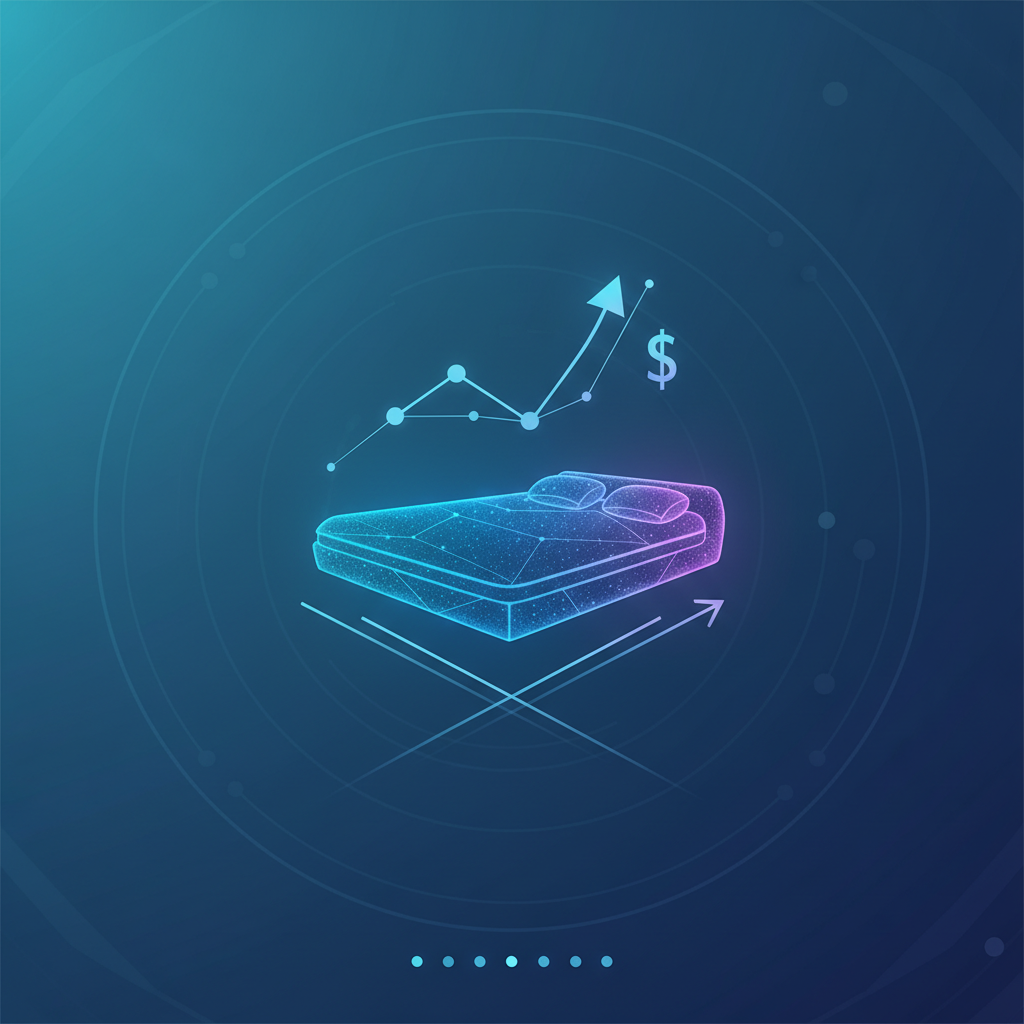
Eight Sleep, renowned for its innovative smart bed technology, has successfully closed a $50 million funding round. While the specific Series designation (D or E) often remains private at this stage, the substantial sum speaks volumes about the company's trajectory and potential. This capital injection has pushed Eight Sleep's valuation to an impressive $1.5 billion, firmly establishing it as a dominant player in the rapidly evolving sleep tech landscape. This milestone isn't merely a financial achievement; it signals a robust endorsement from investors who recognize the immense, untapped potential within personalized sleep solutions. The commitment to expand into new product categories, penetrate global markets, and rigorously pursue clinical validation underscores a strategic vision that extends far beyond current offerings, promising to redefine the very concept of restorative sleep.
Market Context & Investor Confidence: Bullish on Sleep Health
The investor community's bullish stance on sleep technology is rooted in undeniable market trends. A global health crisis fueled by chronic sleep deprivation has led to a surge in demand for effective, personalized solutions. Consumers are increasingly aware of sleep's foundational role in overall health, cognitive function, and athletic performance, moving beyond the traditional view of sleep as a passive activity. This heightened awareness, coupled with advancements in sensor technology and AI, positions companies like Eight Sleep as frontrunners in what's being termed "sleep as a service" or even "sleep-as-a-medical-device." Investors are not just looking at gadget sales; they're investing in long-term health outcomes, viewing health tech investment in sleep as a proactive measure against a multitude of health issues. While some tech investments might seem speculative or driven by transient trends, the commitment to the sleep sector reflects a deeper confidence in the enduring value of improving human well-being. This significant investment in innovation highlights the mature belief in sleep tech as a critical component of the future of health.
A Glimpse into Financial Health: Free-Cash-Flow Positive by 2025
Perhaps one of the most compelling aspects of Eight Sleep's announcement is its projection to be free-cash-flow positive by 2025. For a hardware-centric company operating in a niche yet rapidly expanding market, this is a powerful indicator of sustainable business growth and astute operational efficiency. Achieving free-cash-flow positive status means the company will be generating more cash than it consumes, allowing for self-funded expansion and reduced reliance on external capital for day-to-day operations. This financial discipline is particularly attractive to investors, signaling a clear path to profitability and a robust business model that can weather economic fluctuations. It distinguishes Eight Sleep from many growth-focused tech startups that burn through capital, positioning it as a mature entity capable of strategic, long-term planning while simultaneously pushing the boundaries of future of sleep tech innovation.
Fueling Innovation: The Roadmap for New Products
Beyond Climate Control: Advanced Biometric Tracking & Personalization
Eight Sleep's current success is largely built on its advanced climate control capabilities, but the new funding signals a determined push beyond this foundation. The next generation of sleep tracking innovation will likely involve significantly more advanced biometric tracking. Imagine deeper, more granular insights into sleep stages (REM, deep, light) not just through general movement, but potentially via micro-vibrations, heart rate variability (HRV), skin temperature variations, and even SpO2 (blood oxygen saturation) – all non-invasively captured from the bed itself. This rich data will fuel enhanced personalization. AI-driven algorithms will move beyond simple temperature adjustments to dynamic changes based on real-time individual sleep patterns, health goals (e.g., faster recovery for athletes, better cognitive performance for professionals), and even environmental factors within the bedroom. The bed could learn your optimal sleep environment down to a science, preemptively adjusting to ensure undisturbed rest. This represents a significant leap from merely reactive systems to truly predictive and adaptive sleep environments, leveraging the kind of advanced AI we explore in articles like Understanding AI's Role in Personalized Health.
Expanding the Product Line: New Form Factors and Software Upgrades
The commitment to "new products" also opens the door to an expanded product line. While the Pod mattress system has been a flagship, Eight Sleep could explore new form factors for wider accessibility and varied consumer needs. This might include: modular smart toppers that can adapt existing mattresses, making the technology more affordable; dedicated sleep accessories like smart pillows with integrated sensors for head position and snoring detection; or even integrated systems that work seamlessly with smart home infrastructure. Beyond physical hardware, a significant portion of innovation will undoubtedly focus on software upgrades and new features for existing hardware. Leveraging the vast amounts of gathered data, Eight Sleep can continuously roll out new analytical tools, personalized coaching insights, and predictive health alerts, effectively adopting a "sleep-as-a-service" model where the value proposition grows over time through continuous software enhancements.
The Impact on "Gadgets" and "Hardware" Segments
Eight Sleep's aggressive R&D strategy, bolstered by this significant Eight Sleep funding, is poised to push the boundaries of consumer health hardware. By integrating sophisticated biometrics and AI into a core piece of home furniture, Eight Sleep elevates the entire category of smart home gadgets beyond mere convenience into essential health tools. This move challenges other companies in the "gadgets" segment to innovate more deeply, demanding higher standards for accuracy, actionable insights, and seamless integration. The company's focus on clinical validation (discussed later) further reinforces this shift, signaling a maturation of the consumer health hardware market where devices are not just "smart" but medically relevant. This trajectory aligns with discussions around Smart Home Gadgets That Are Actually Worth It, emphasizing utility and long-term health benefits over fleeting novelty.
Global Aspirations: Expanding Eight Sleep's Footprint
Untapped Markets: Bringing Smart Sleep Across Continents
A key strategic pillar for Eight Sleep's future is global expansion. While already having a presence in select international markets, the new funding will enable a more aggressive and widespread penetration into untapped regions. Key targets likely include Europe, particularly countries like Germany, the UK, and the Nordics, known for their strong emphasis on health and technology adoption. Asia-Pacific markets, such as Japan and Australia, also present immense opportunities given their tech-savvy populations and growing awareness of preventative health. These markets are ripe for smart bed technology, as urbanization and demanding lifestyles contribute to a widespread need for improved sleep quality. The potential to scale in these regions, where robust healthcare systems and a high disposable income often go hand-in-hand with technological readiness, represents a vast new customer base for Eight Sleep's innovative solutions.
Localized Strategies: Navigating Diverse Landscapes
Expanding globally, however, is far from a one-size-fits-all approach. Eight Sleep will need to implement localized strategies to address the unique challenges and opportunities in different markets. This includes navigating complex regulatory hurdles, particularly concerning data privacy (e.g., GDPR in Europe) and medical device classifications. Cultural preferences around sleep, mattress firmness, and bedroom aesthetics will also require adaptation. For instance, preferences in Asia often lean towards firmer mattresses, while European consumers might prioritize sustainable materials. Furthermore, establishing robust distribution networks, supply chains, and localized customer support will be critical to ensuring a seamless experience. The investment will likely be channeled into building these regional infrastructures, forging local partnerships, and tailoring marketing messages to resonate with specific cultural contexts, ensuring that the mission of improving sleep transcends geographical boundaries.
Bringing "Smart Sleep" to More People: A Global Health Initiative
Ultimately, global expansion aligns with Eight Sleep's overarching mission: to bring the benefits of "smart sleep" to a wider population. As a leader in sleep tech valuation, Eight Sleep has an opportunity to not only grow its market share but also to elevate global health standards. By making advanced sleep tracking and optimization tools accessible to more individuals, the company contributes to a broader understanding of sleep as a critical component of wellness. In many parts of the world, sleep issues are overlooked or misunderstood. Eight Sleep's expansion can help democratize access to personalized sleep insights, empowering individuals to take proactive control of their health. This strategic move is not just about sales figures; it’s about establishing Eight Sleep as a global catalyst for better health outcomes, leveraging technology to address a universal human need.
The Science of Sleep: Prioritizing Clinical Validation
Beyond Consumer Tech: Elevating Smart Beds to Health Tools
One of the most significant strategic directions for Eight Sleep, enabled by this new Eight Sleep funding, is its commitment to clinical validation. This move signifies a clear intent to elevate the perception of smart beds from mere luxury gadgets to evidence-based health tools. In the competitive landscape of health tech, consumer products often face skepticism regarding their efficacy and scientific backing. By investing heavily in rigorous clinical trials and research, Eight Sleep aims to bridge this gap, demonstrating the tangible, measurable health benefits of its technology. This transition is crucial for long-term credibility, particularly as the company seeks to integrate more deeply into the broader healthcare ecosystem, positioning its offerings as essential for preventative care and chronic condition management, rather than just a lifestyle enhancement.
Why Clinical Validation Matters: Building Trust and Integration
Clinical validation is paramount for several reasons. Firstly, it builds unparalleled trust and credibility not only with consumers but, more importantly, with healthcare professionals. When a device's claims are backed by peer-reviewed scientific studies, it earns respect and opens doors to new applications. This can lead to potential integration into clinical settings, where smart beds could assist in monitoring chronic conditions, supporting sleep therapy for disorders like insomnia, or aiding in post-operative recovery. For a company like Eight Sleep, validation could also pave the way for medical device classification in certain regions, potentially allowing for insurance reimbursement and broader adoption within healthcare systems. The move from aspirational claims to data-backed evidence solidifies its position as a serious player in the health tech investment space, moving beyond a simple future of wearable tech conversation to one of integrated, validated health solutions.
What Could Be Validated? Examining Potential Research Areas
The scope of what Eight Sleep could seek to clinically validate is vast and impactful. Potential research areas include: objectively demonstrating improved sleep quality metrics (e.g., increased deep sleep, reduced awakenings); quantifying the impact on conditions like mild to moderate insomnia or restless leg syndrome; assessing its role in early detection or monitoring of sleep apnea; measuring improvements in athletic recovery by optimizing sleep temperature and tracking physiological markers; or even studying the correlation between optimized sleep and enhanced cognitive function or mental well-being. By focusing on these specific, measurable outcomes, Eight Sleep can provide irrefutable evidence of its product's value, transforming its Eight Sleep products into indispensable tools for health optimization. This scientific approach will not only advance the company's standing but also contribute valuable data to the broader scientific understanding of sleep's intricate role in human health.
The Broader Landscape: What This Means for Sleep Tech & Health Tech
Eight Sleep as a Market Bellwether: Setting the Pace for Sleep Tech
Eight Sleep's $50 million funding round and impressive $1.5 billion valuation firmly position it as a market bellwether for the entire sleep tech industry. This substantial Eight Sleep funding event sends a powerful signal to venture capitalists and other investors: sleep technology is a mature, high-growth sector with significant returns potential. It validates the business models of other companies in the space, from smart alarms and sleep trackers to specialized mattresses and therapeutic devices. This investment will likely spur increased competition and innovation across the board, as other players strive to match Eight Sleep's technological advancements and market credibility. As discussed in Top 5 Health Tech Startups to Watch, such significant funding rounds can often catalyze an entire market segment, accelerating its development and bringing more innovative solutions to consumers faster.
Convergence of Health and Technology: A Deeper Integration
This landmark investment further reinforces the accelerating trend of technology's deeper integration into personal health management. Sleep tech, led by companies like Eight Sleep, is at the forefront of this convergence, demonstrating how sophisticated hardware and intelligent software can empower individuals with actionable insights into their own physiology. The focus on personalized, data-driven wellness extends beyond fitness tracking or diet apps; it's about optimizing fundamental biological processes like sleep. This convergence signifies a shift towards preventative health and proactive self-care, where technology serves as a continuous health monitor and personalized coach. It moves beyond episodic care to continuous, data-informed wellness strategies, setting a precedent for how future health solutions will be developed and consumed. This is a critical development for the larger digital health ecosystem, including areas like telehealth and digital health solutions.
The Future of Sleep Tracking: Predictions and Evolution
Looking ahead, Eight Sleep's strategic investments will undoubtedly shape the future of sleep tech and sleep tracking over the next 5-10 years. We can anticipate an evolution where smart beds become central health hubs, integrating seamlessly with genetic data, personalized nutrition, and even mental health platforms. Imagine a future where your smart bed detects early signs of illness based on micro-changes in your biometrics, proactively alerts your healthcare provider (with your permission), or customizes your sleep environment not just for physical recovery but for cognitive enhancement tailored to your next day's tasks. The emphasis on clinical validation suggests a future where sleep products are not just bought but potentially prescribed, becoming indispensable tools in comprehensive health plans. The continued advancement in sensors, AI, and data analytics, fueled by investments like this, promises a future where truly restorative and personalized sleep is not a luxury, but an accessible reality for all.
Conclusion
Eight Sleep's $50 million funding round and $1.5 billion valuation mark a pivotal moment, not just for the company, but for the entire smart sleep and health tech industry. With clear plans for innovative new products, strategic global expansion, and crucial clinical validation, Eight Sleep is poised to solidify its leadership and fundamentally change how we approach sleep. This investment underscores the growing recognition of sleep as a critical pillar of health, and the technological advancements making personalized, data-driven sleep improvement a reality.
What do you think of Eight Sleep's ambitious plans? What new features would you most like to see in a smart bed, or which global market do you think is ripe for smart sleep innovation? Share your thoughts in the comments below!